
AI-Powered Multi-Stage Energy Consulting System for Enhanced Energy Efficiency in Construction and Building Management
The integration of artificial intelligence and machine learning in energy management has transformed how energy resources are monitored and optimized across various industries. However, the construction and building sectors still face challenges in efficiently managing heterogeneous energy sources and complex operational constraints during both construction and operational phases.
The Multi-Stage Energy Consulting System (MuSECS), developed by CORE-IC as part of the INPERSO project, addresses these challenges by combining real-time energy data from diverse sources with advanced AI algorithms to optimize energy use. MuSECS collects and monitors information from process energy loads, on-site renewable energy production, energy storage capacities, grid energy mix, pricing, and operational constraints to create a comprehensive energy management database.
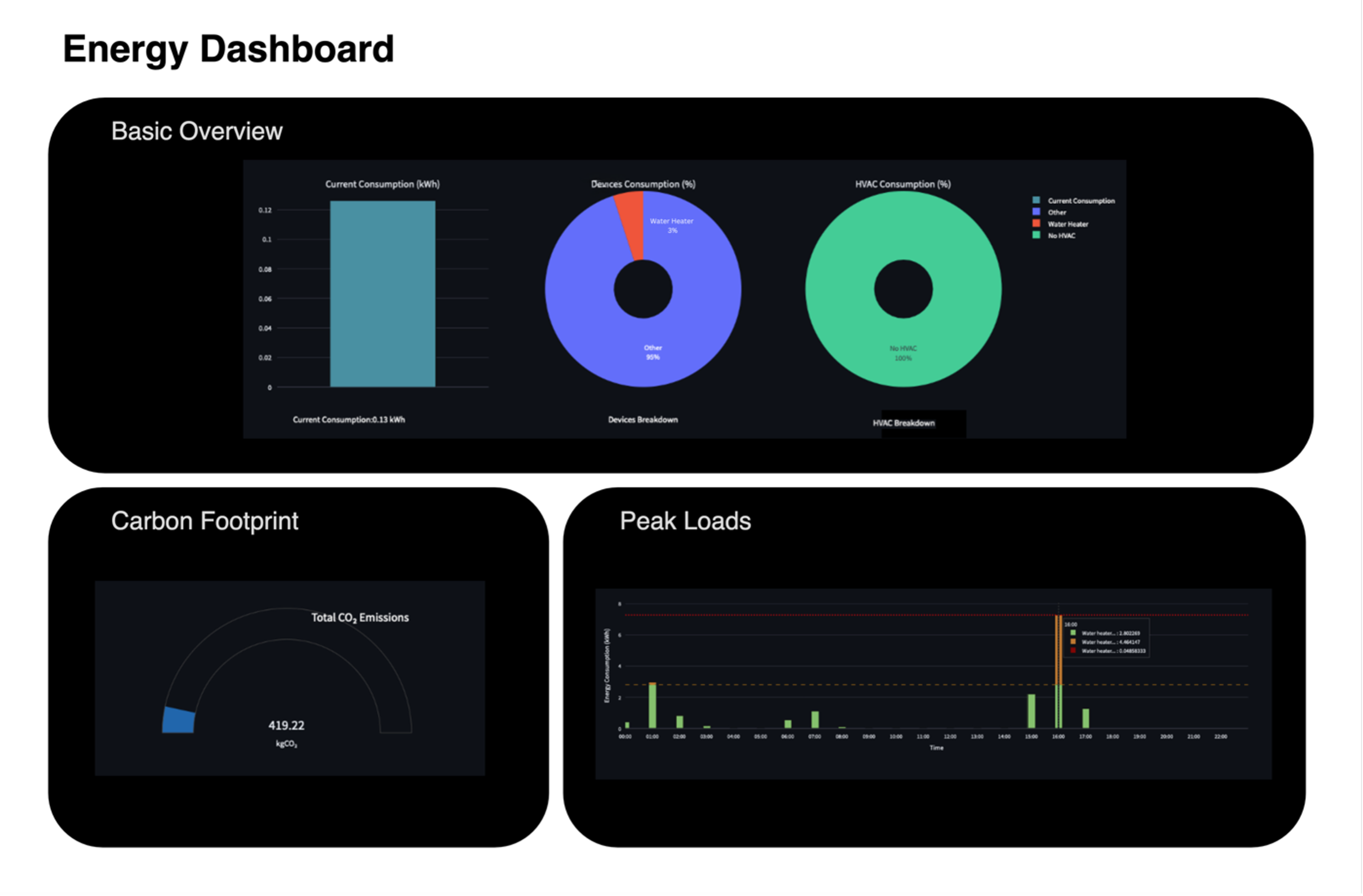
Designed with a modular, scalable, and flexible architecture, MuSECS can be easily adapted and retrofitted across different phases of building projects—from construction and retrofit to ongoing operational management. It seamlessly interfaces with other project platforms, such as RE SUITE and commercial building energy management systems (BEMS), ensuring interoperability and enhancing user interaction through prompt-based nudging.
Following successful development phases, MuSECS is now moving towards real-world validation within pilot sites, aiming to demonstrate its capability to optimize energy performance, reduce operational costs, and support sustainable construction and building management practices.
By integrating AI-driven optimization with comprehensive energy monitoring, MuSECS represents a major step forward in smart energy management for the built environment, contributing significantly to the goals of energy efficiency and carbon reduction in the European construction sector.