

Revitalizing Urban Heritage
through Deep Energy Rehabilitation
It is an affordable rental building, owned by AUMSA, located in the "La Roqueta" neighbourhood - Extramurs district - of the city of Valencia. The complex made up of 16 apartments is made up of 2 annexed and symmetrical buildings, accessible from hallways 4 and 6 of Estrella St. It consists of a ground floor (belonging to the Jerusalem municipal market) plus four. On each habitable floor of each block there are 2 dwellings, one with 1 bedroom and the other with 2, connected by a common staircase. The complex was built in 1850 and rehabilitated by AUMSA in 2002. It is protected by Urban Planning Regulations that provide strict guidelines on any possible rehabilitation activity that affects the visible part of the building. In the 2002 rehabilitation, the hallways and stairs were partially modified to adapt them to accessibility needs. Since then, no intervention has been carried out, except for occasional maintenance. It is currently 100% occupied.
Initially, the intervention proposed for the INPERSO Project included both the improvement of energy efficiency and environmental quality as well as accessibility, taking as a prototype that of a single house. With the evolution of the Project, the intervention focuses on improving energy efficiency and environmental quality by taking as prototypes different combinations of technologies and systems on 10 of the 16 apartments.
From the initial phases of the project, the end user is being taken into account to involve them in the rehabilitation process.
OBJECTIVES
Refurbishment in Use
Implement energy saving measures, keeping the building fully occupied.
Improvement of Indoor Environmental Quality
Increase air quality and thermal comfort in rental housing. (IEQ)
Heritage-Compatible Innovation
Balancing urban protection ordinances with cutting-edge thermal and renewable technologies.
Speed and Minimal Disruption
Use "clean" and quick-install construction methods to minimize the impact on tenants.
USE CASE OVERVIEW
WORK CARRIED OUT SO FAR & MILESTONES ACHIEVED
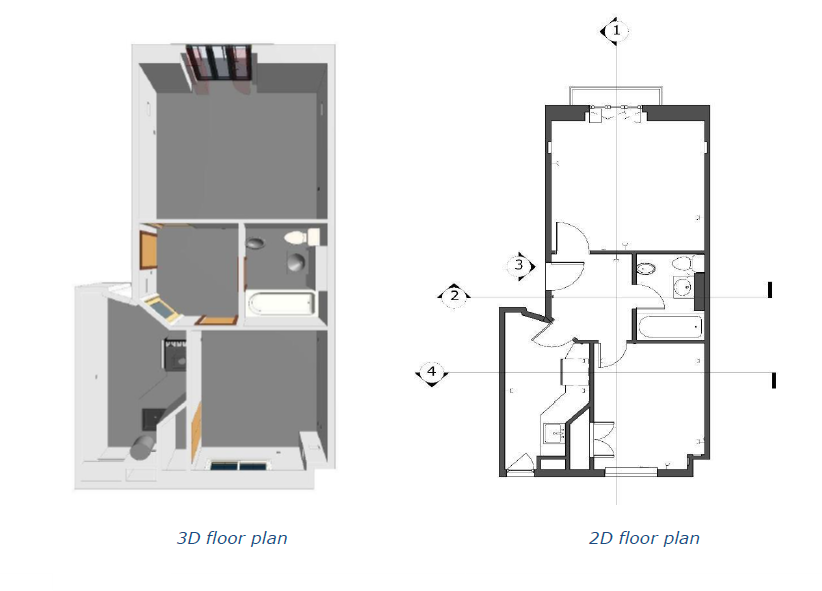
Characterisation and modelling of the existing building
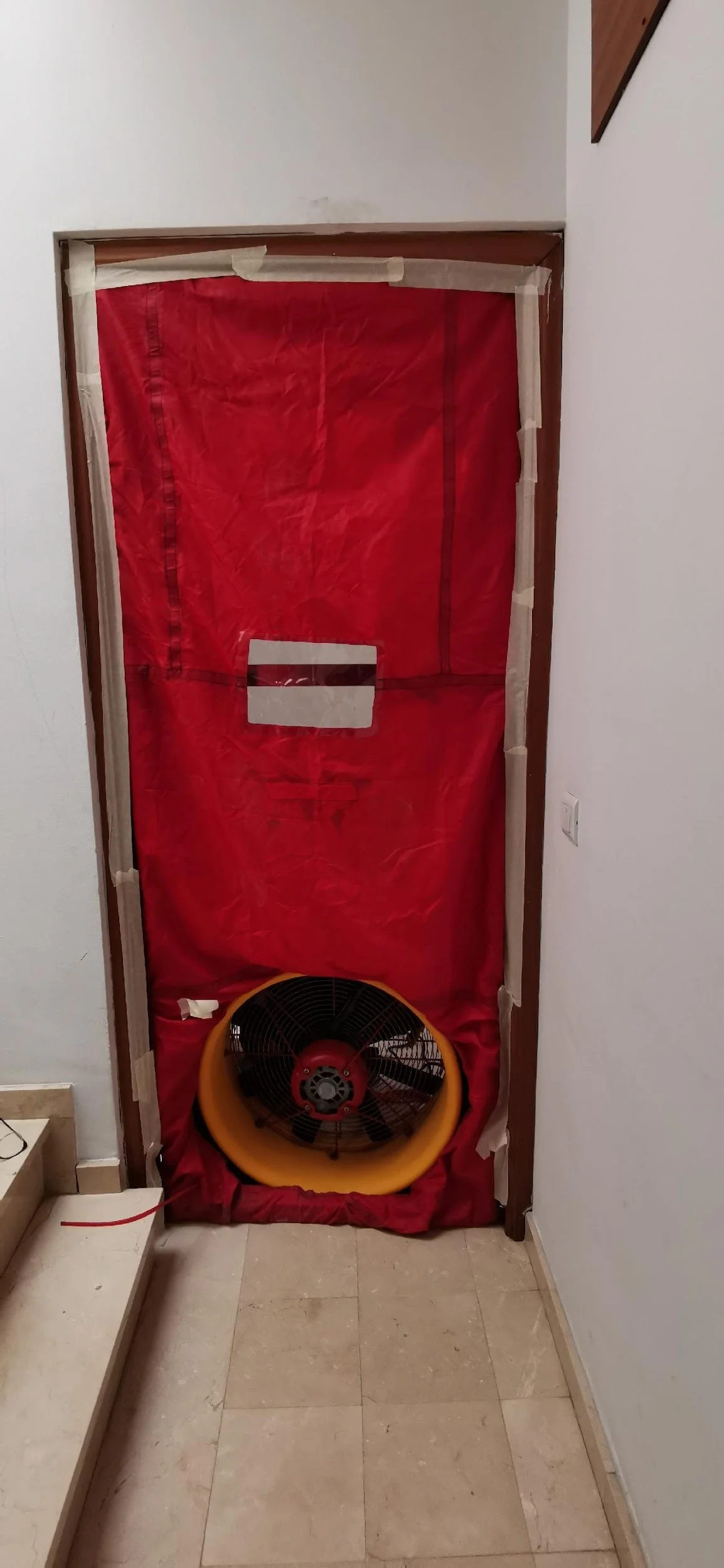
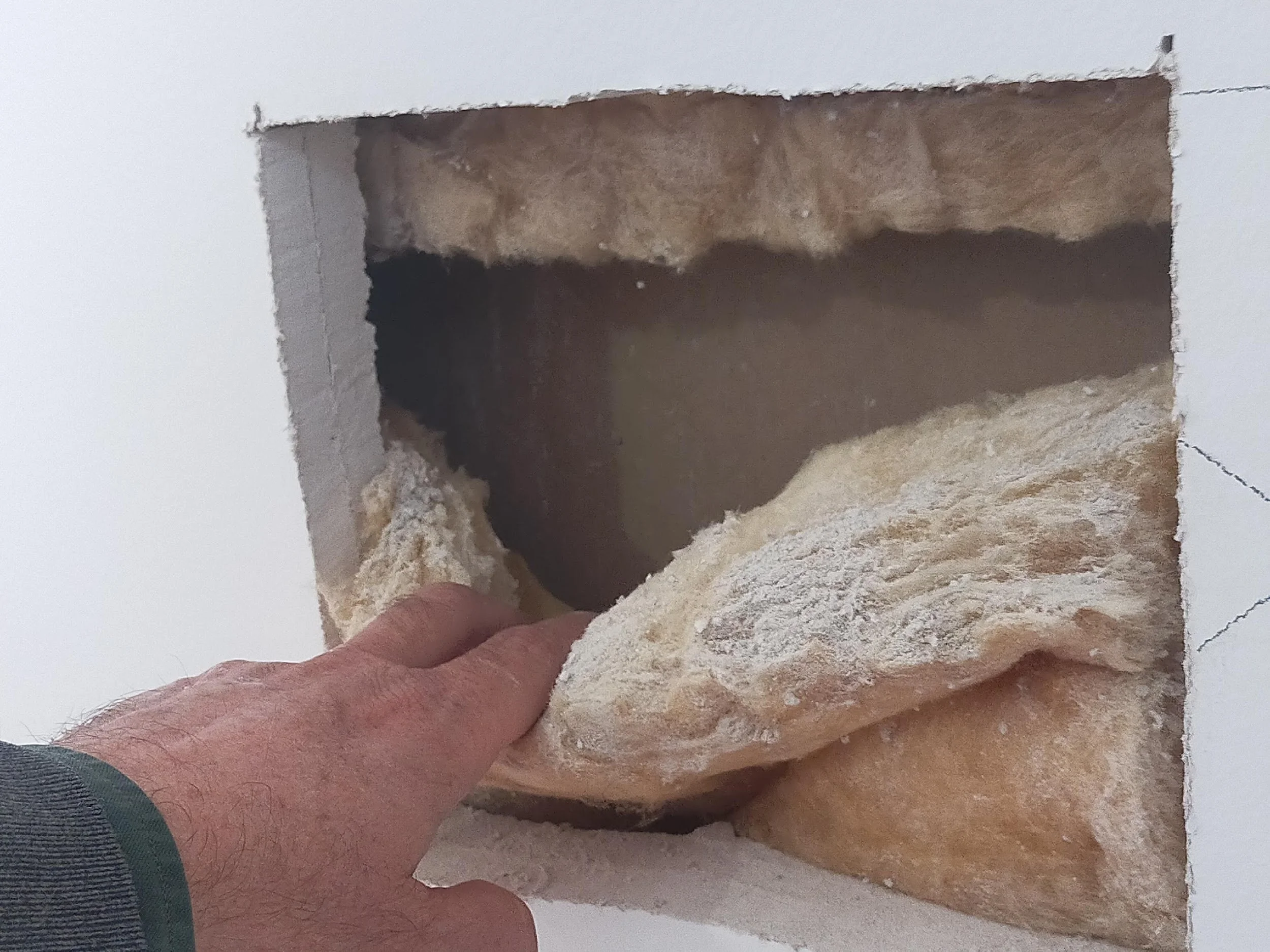
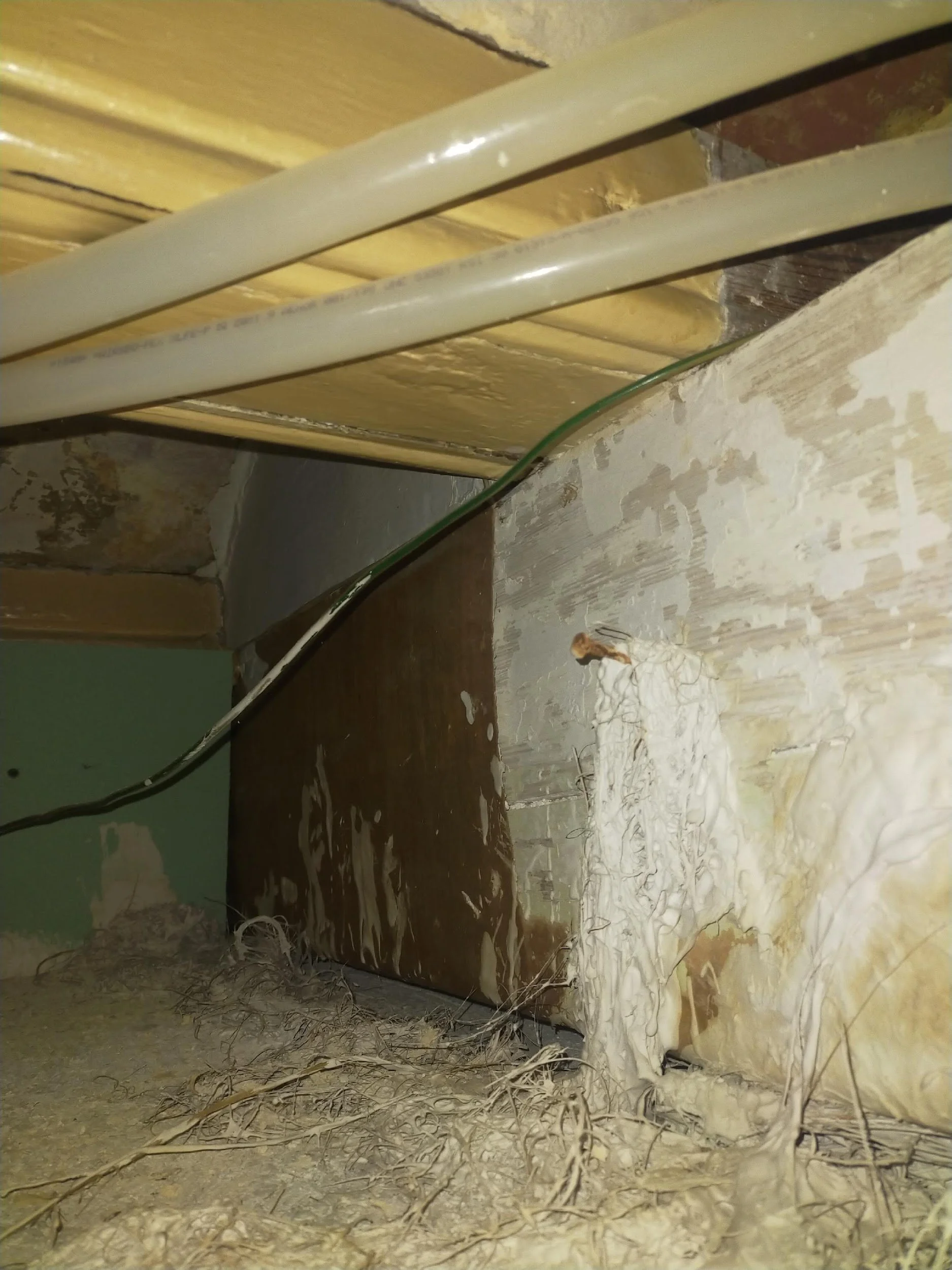
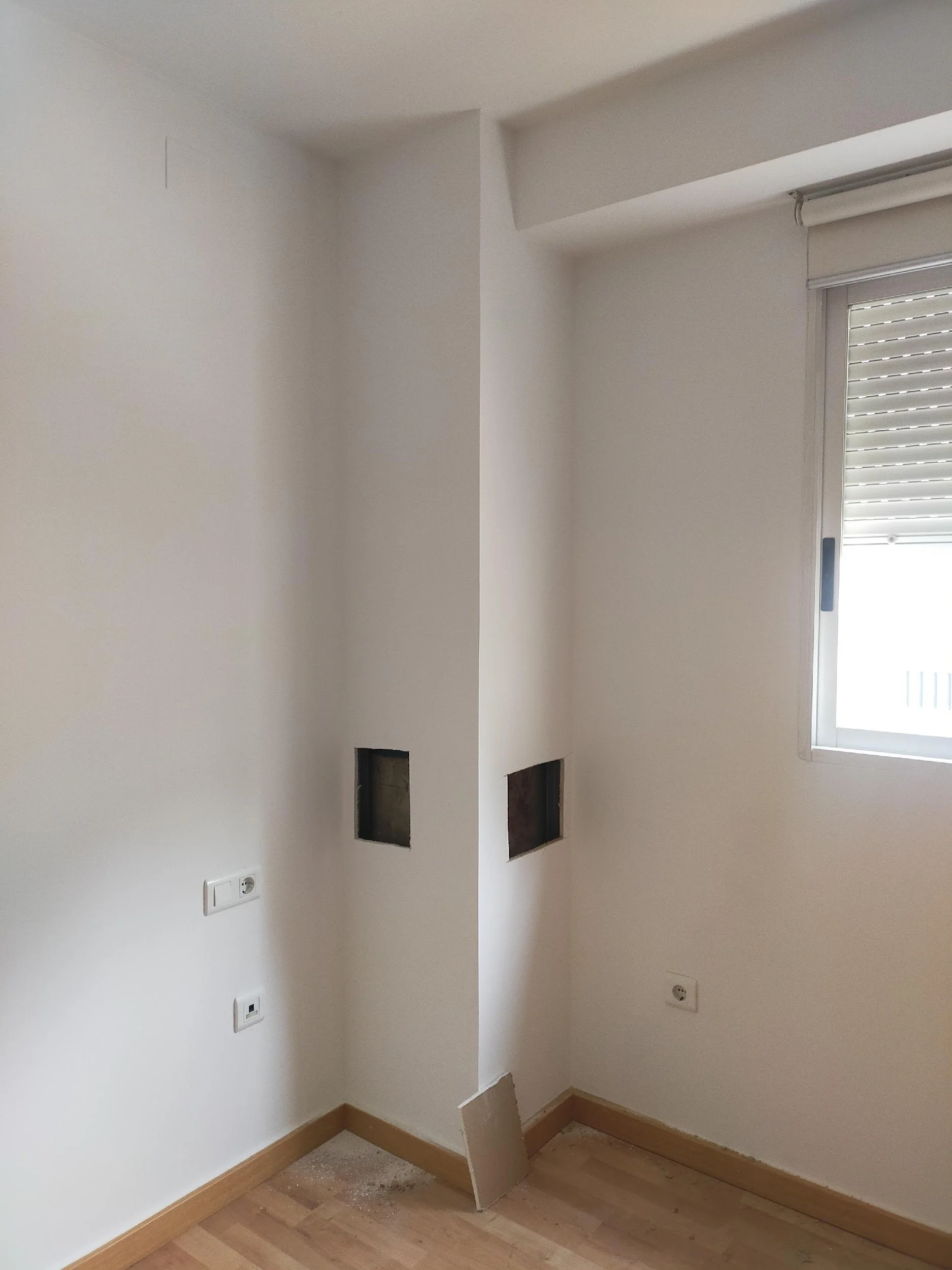
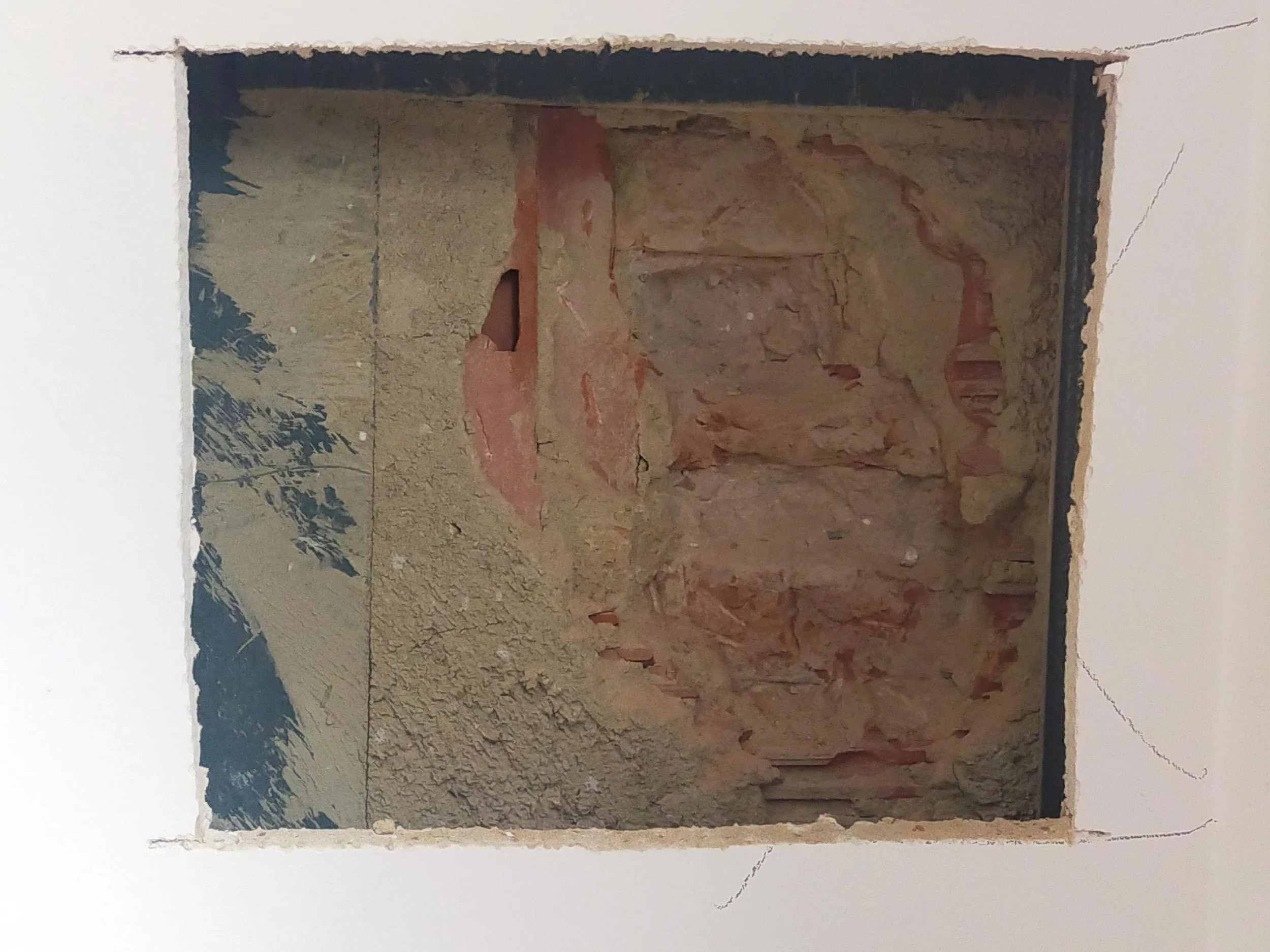
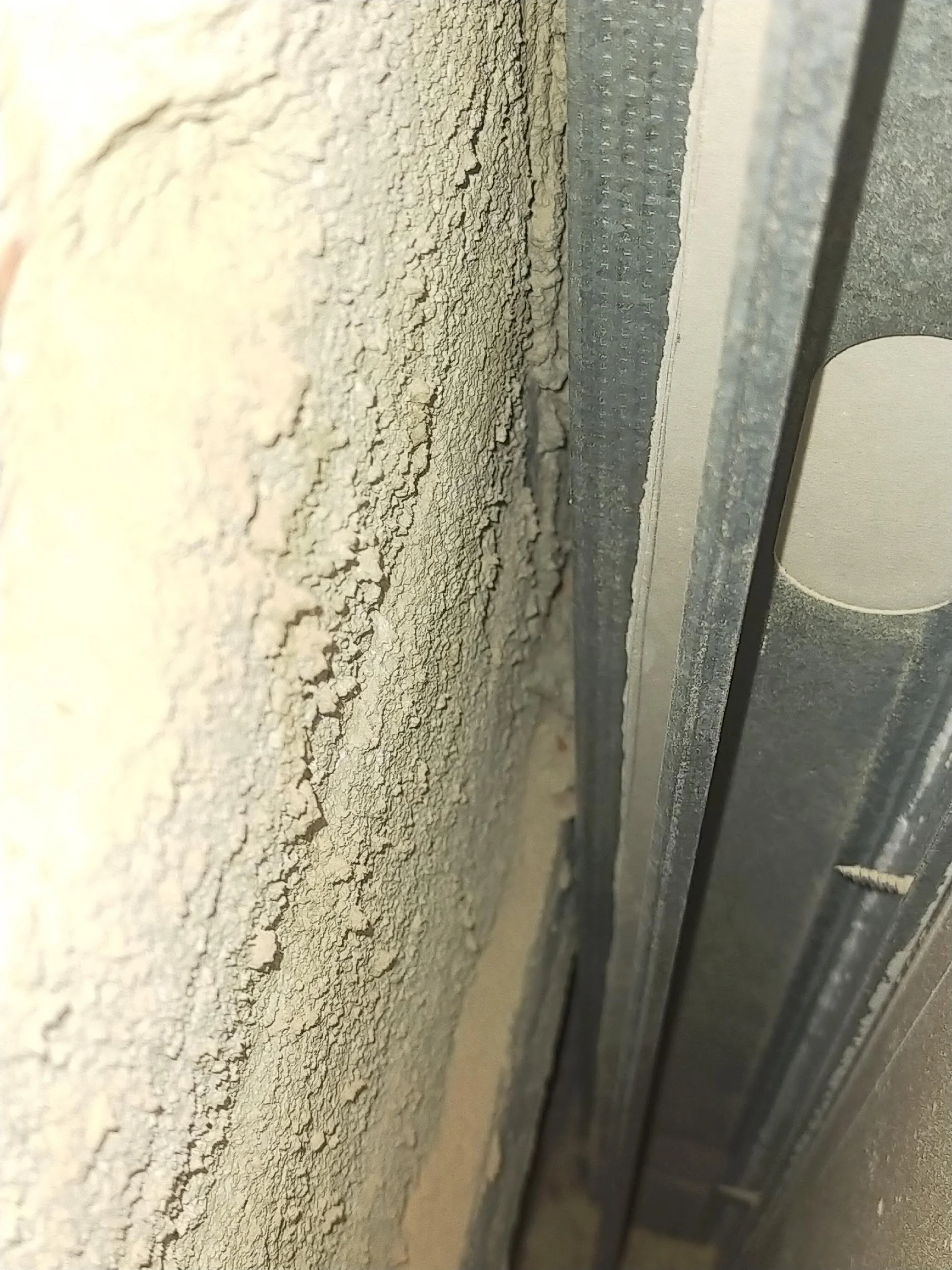
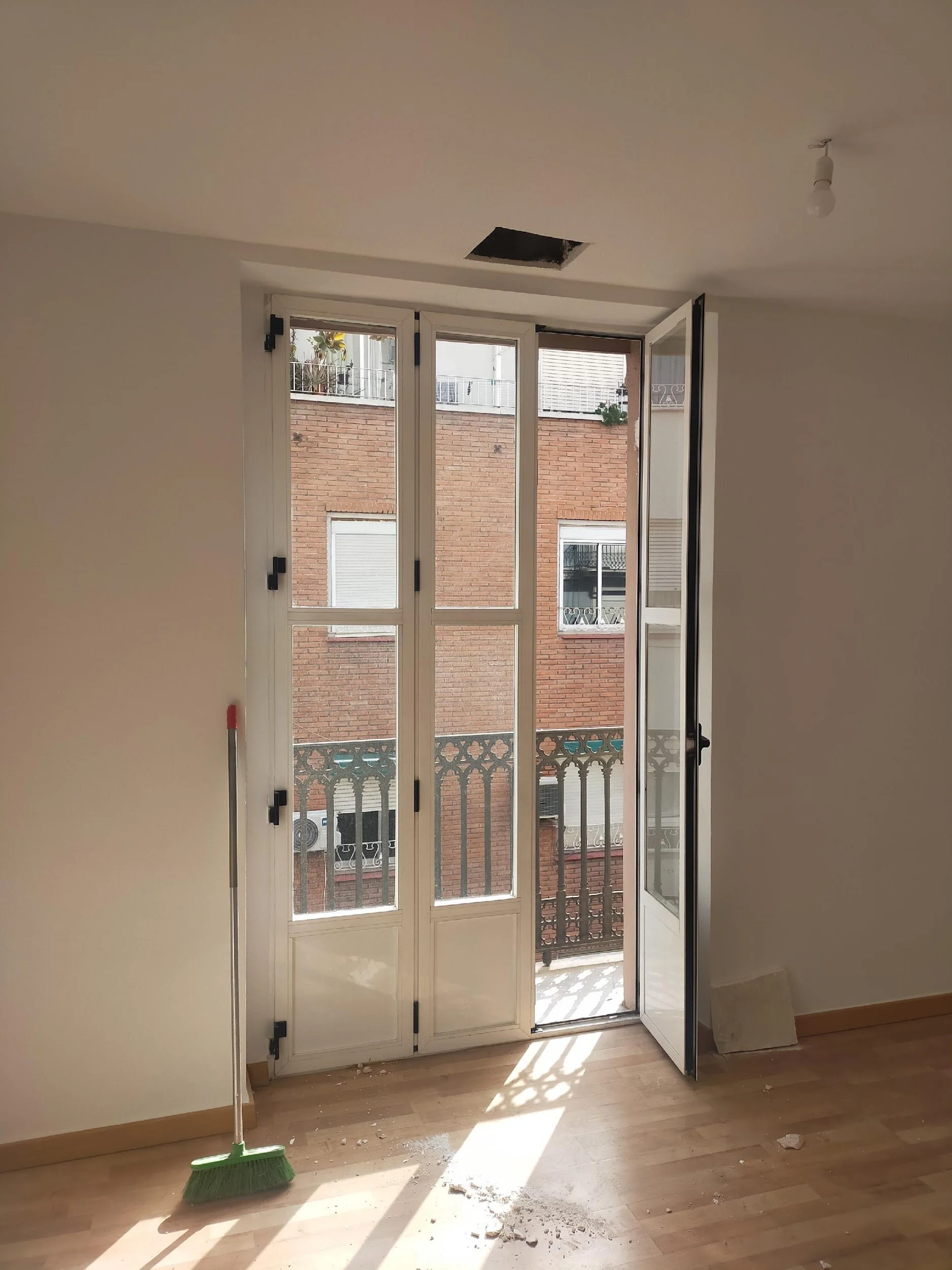
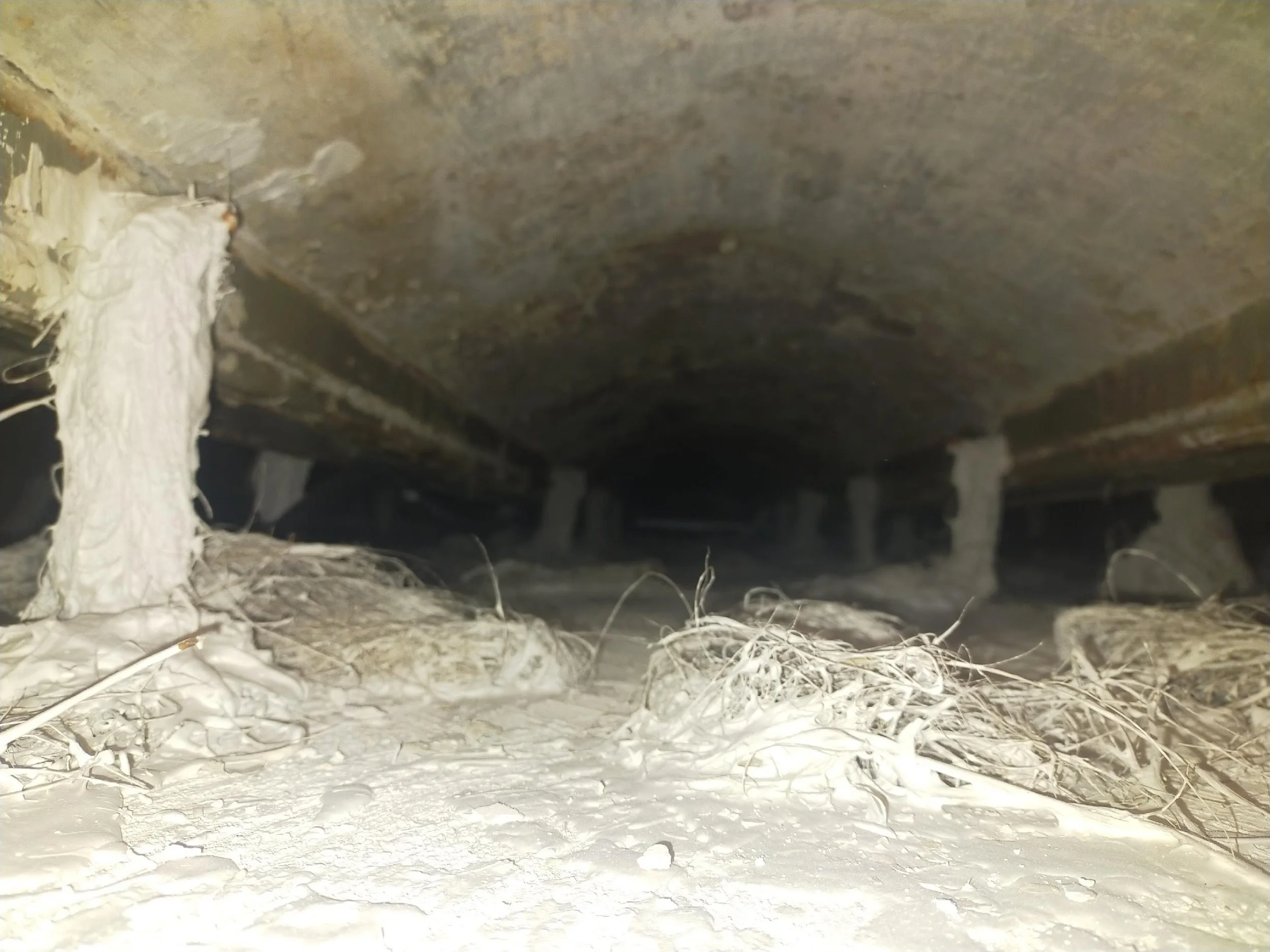
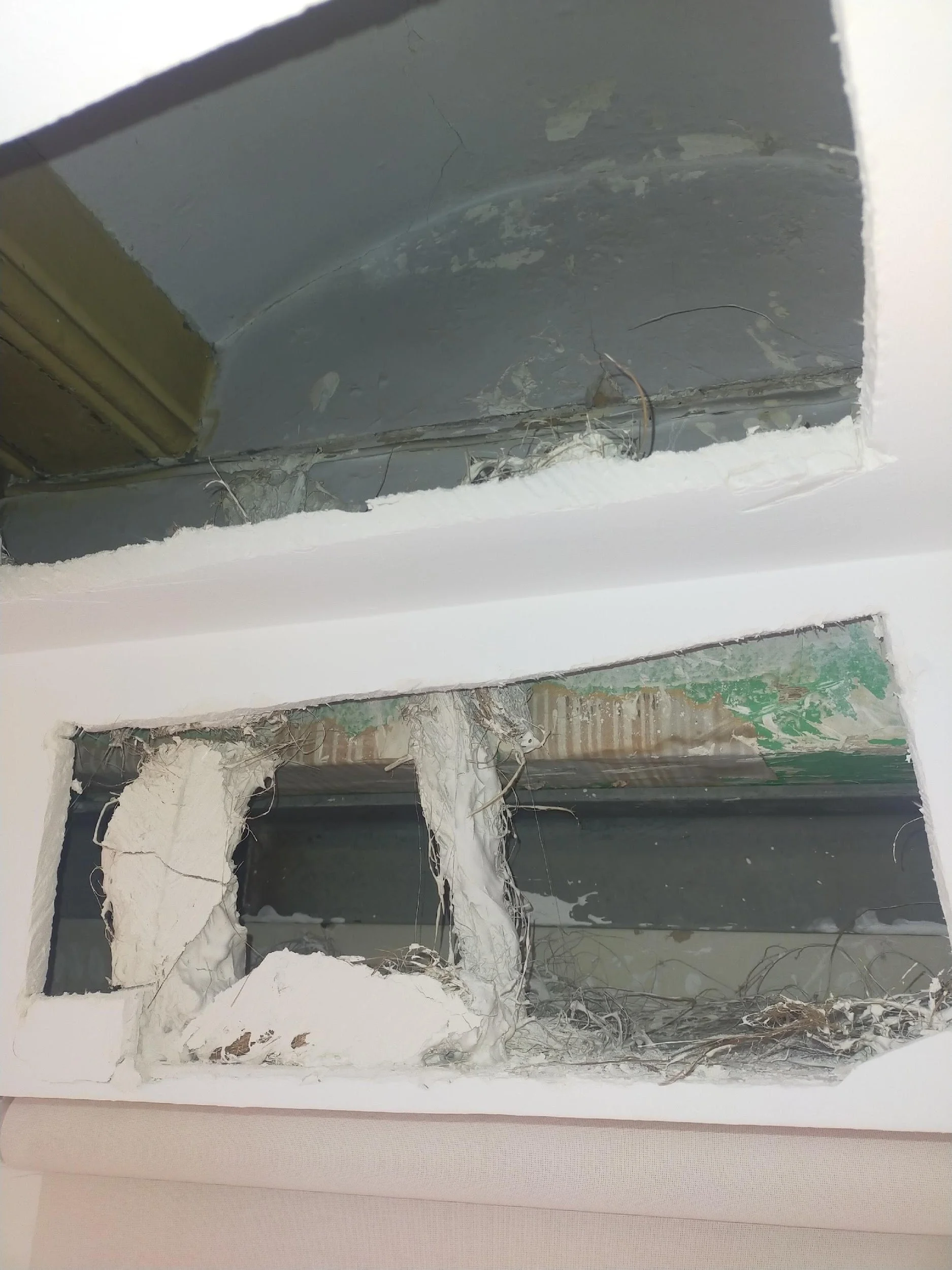
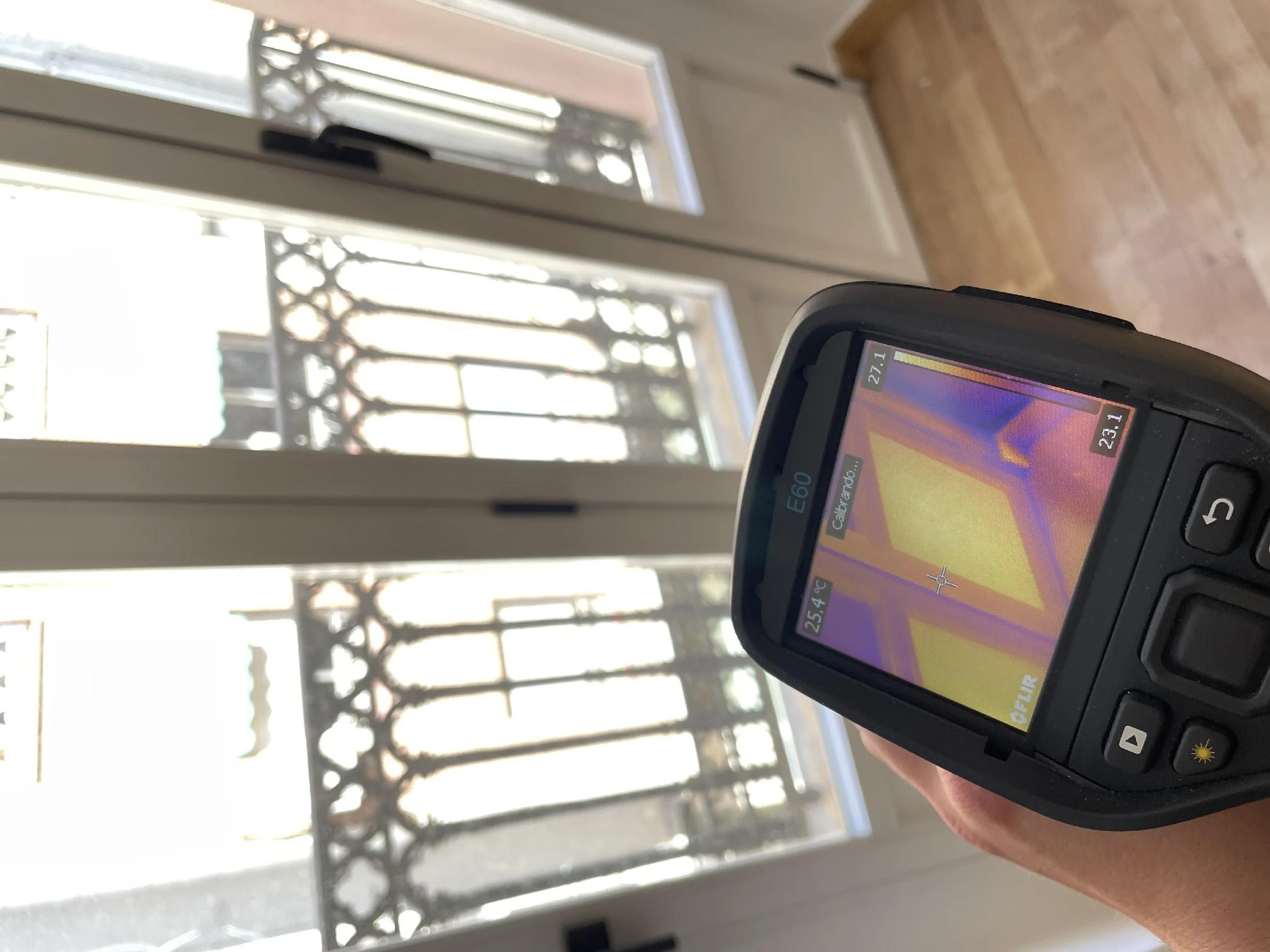
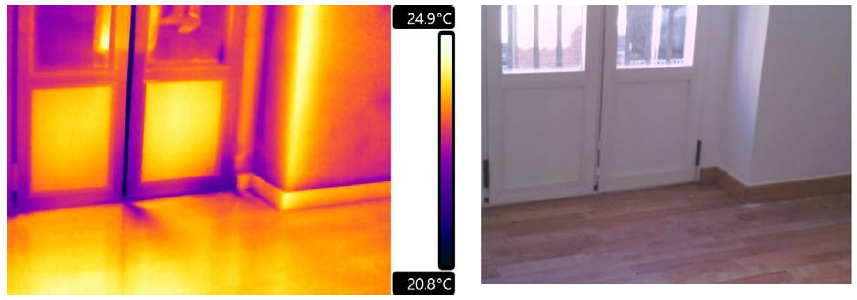
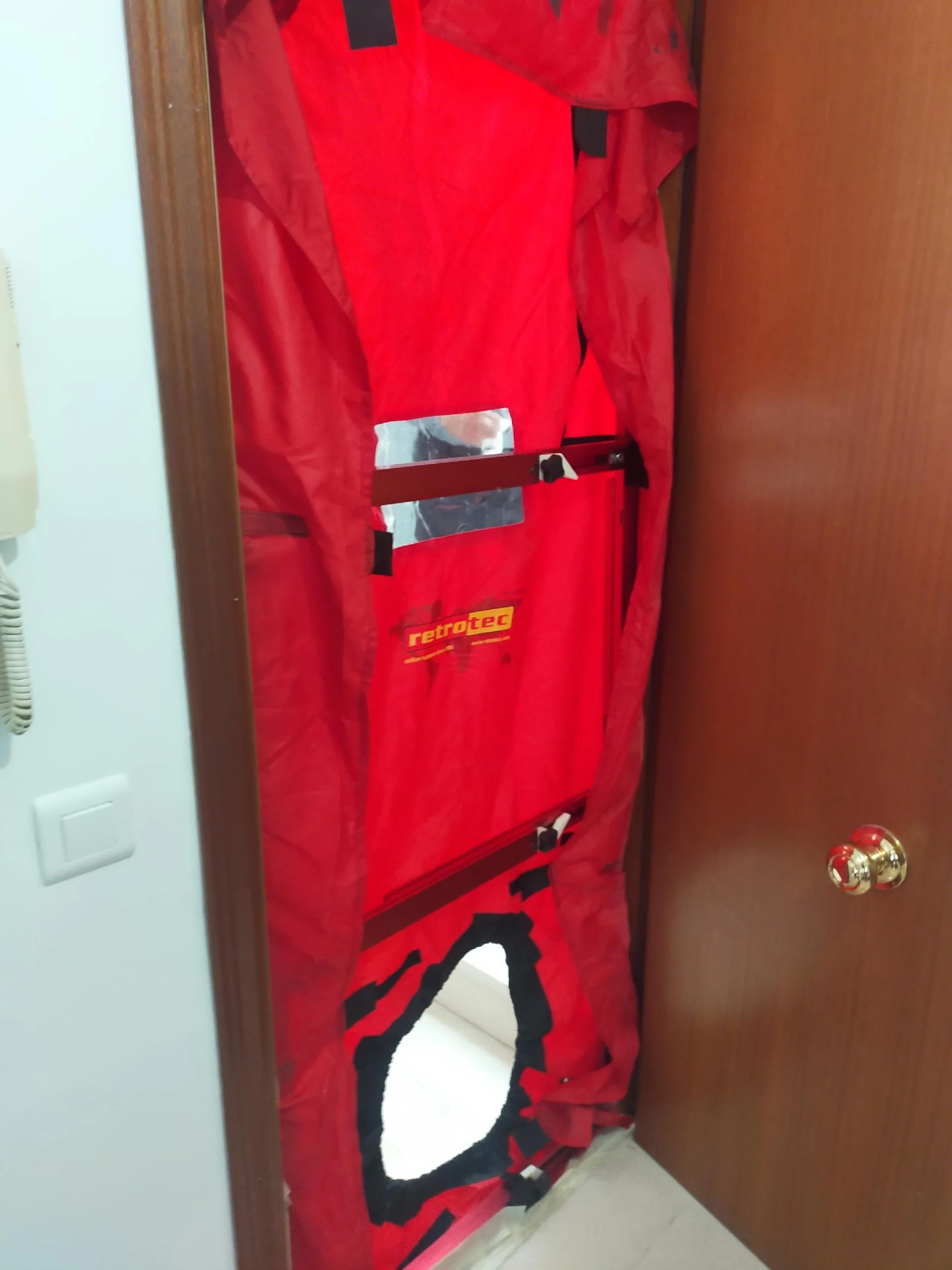
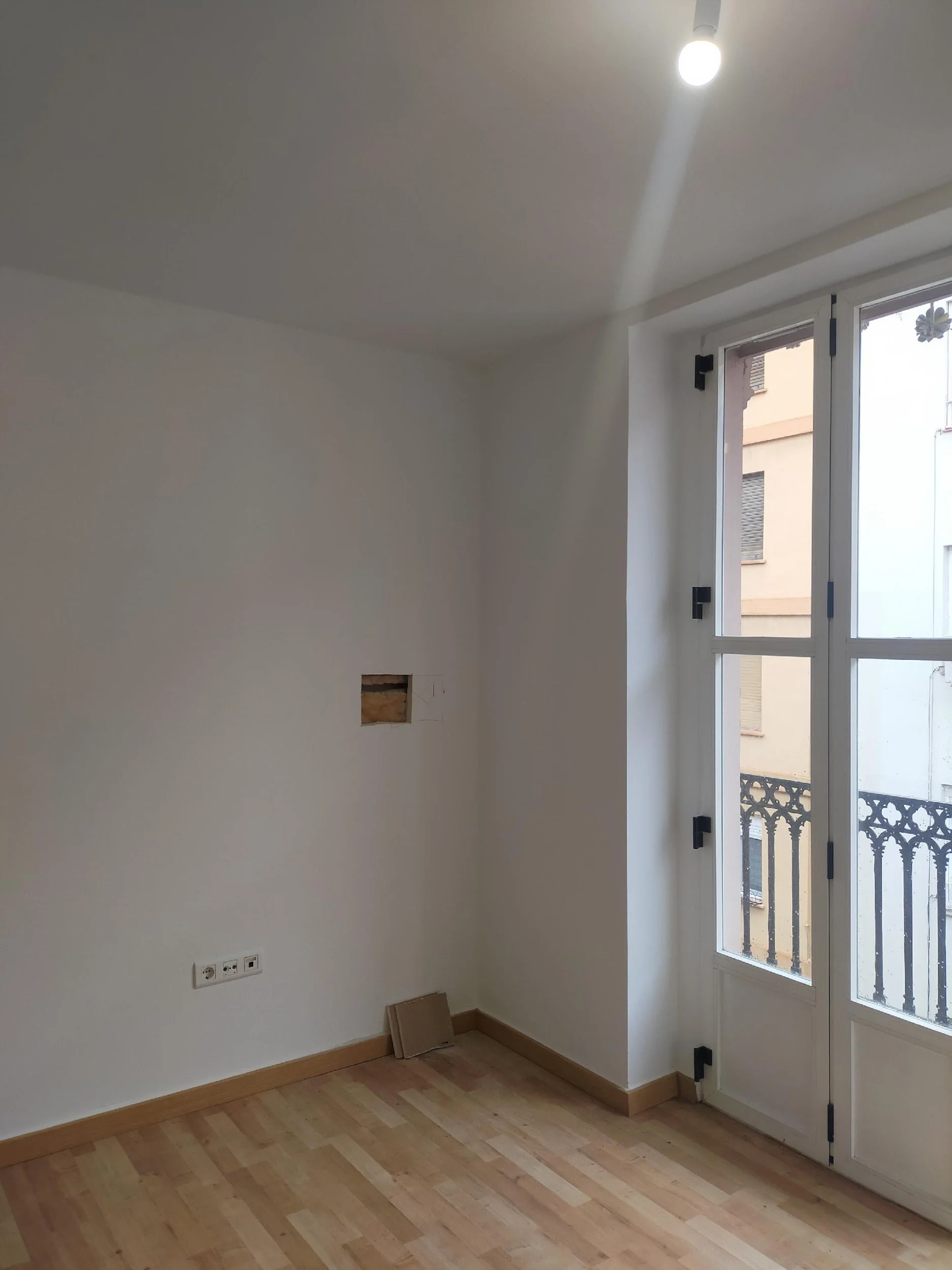
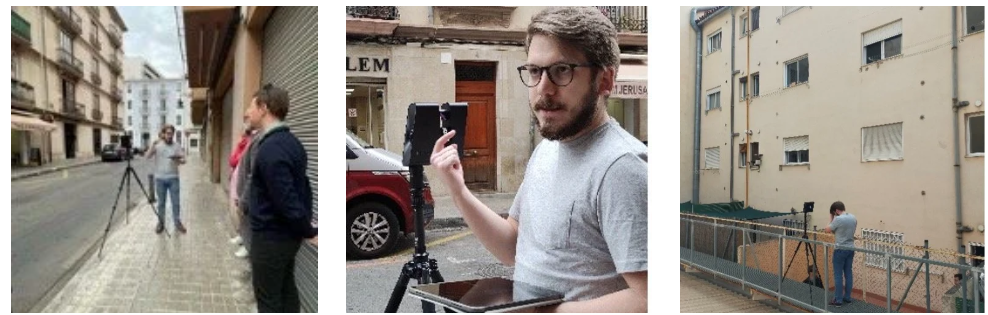
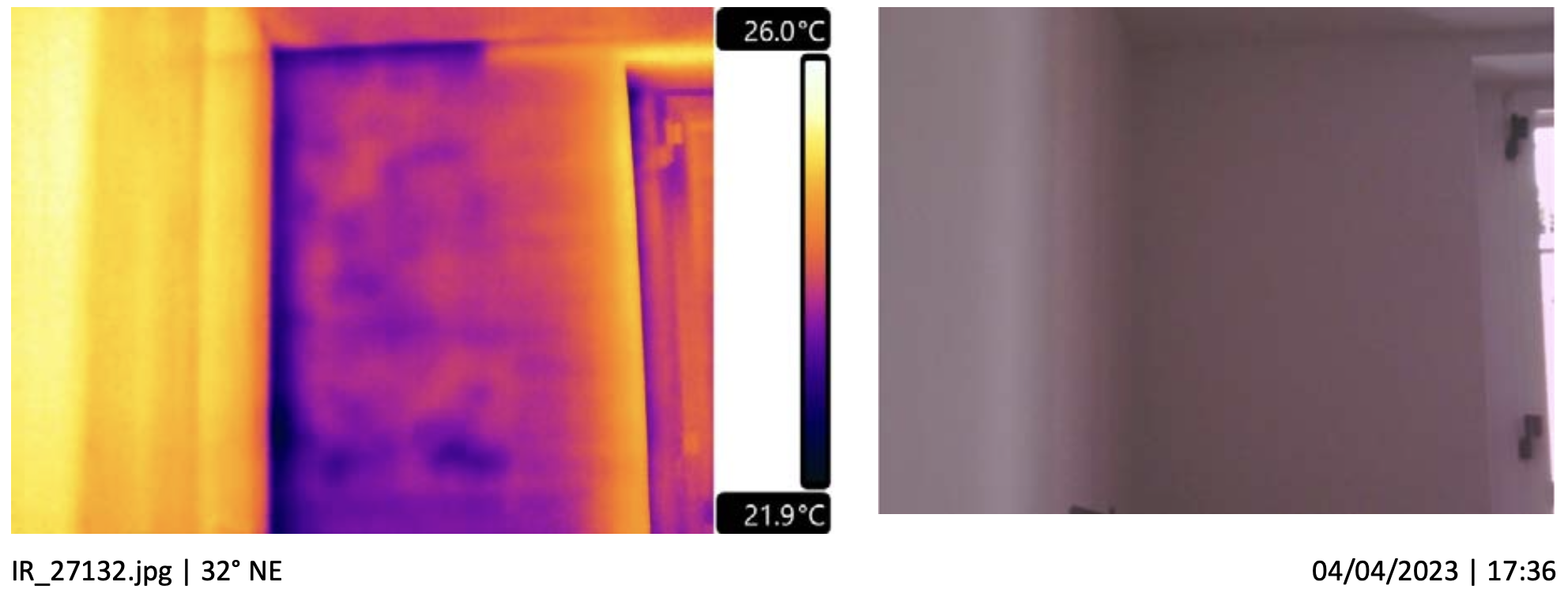
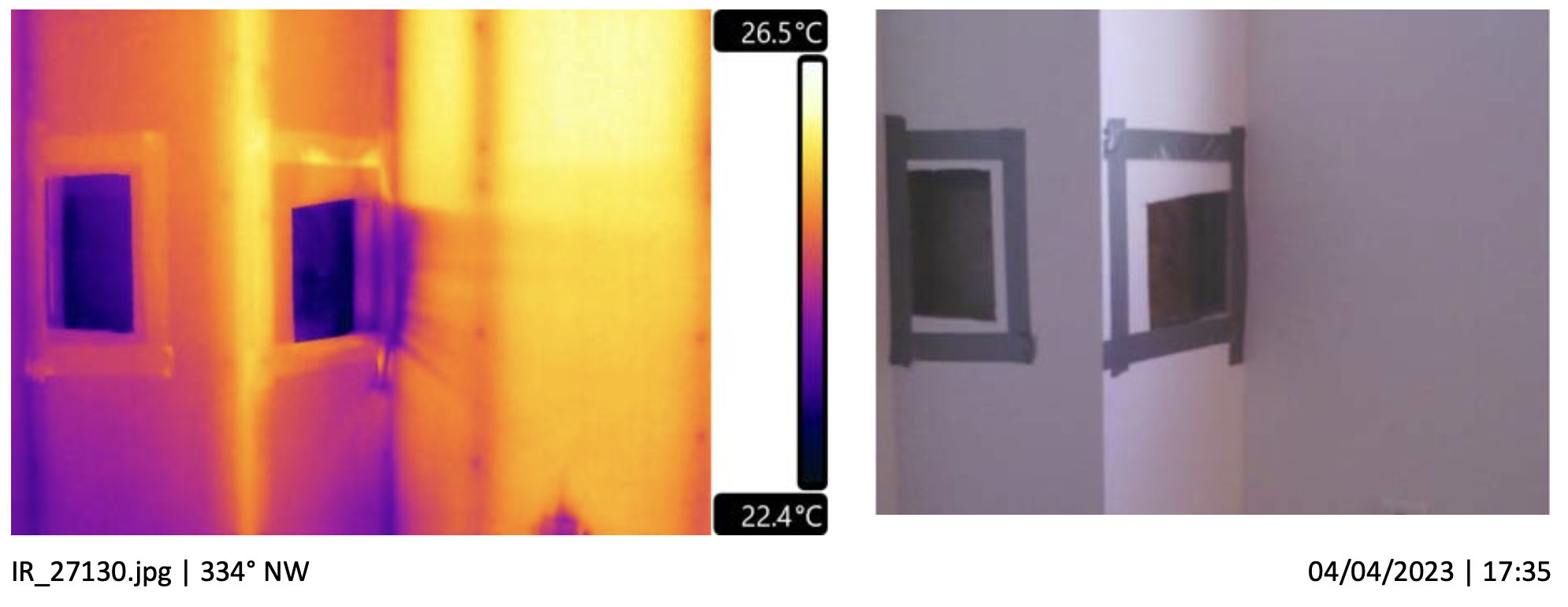
Measurements, photos, opening-up works, thermography and testing of Blower Door have been carried out in order to know the technical characteristics of the existing building.
Deployment of IoT Sensors
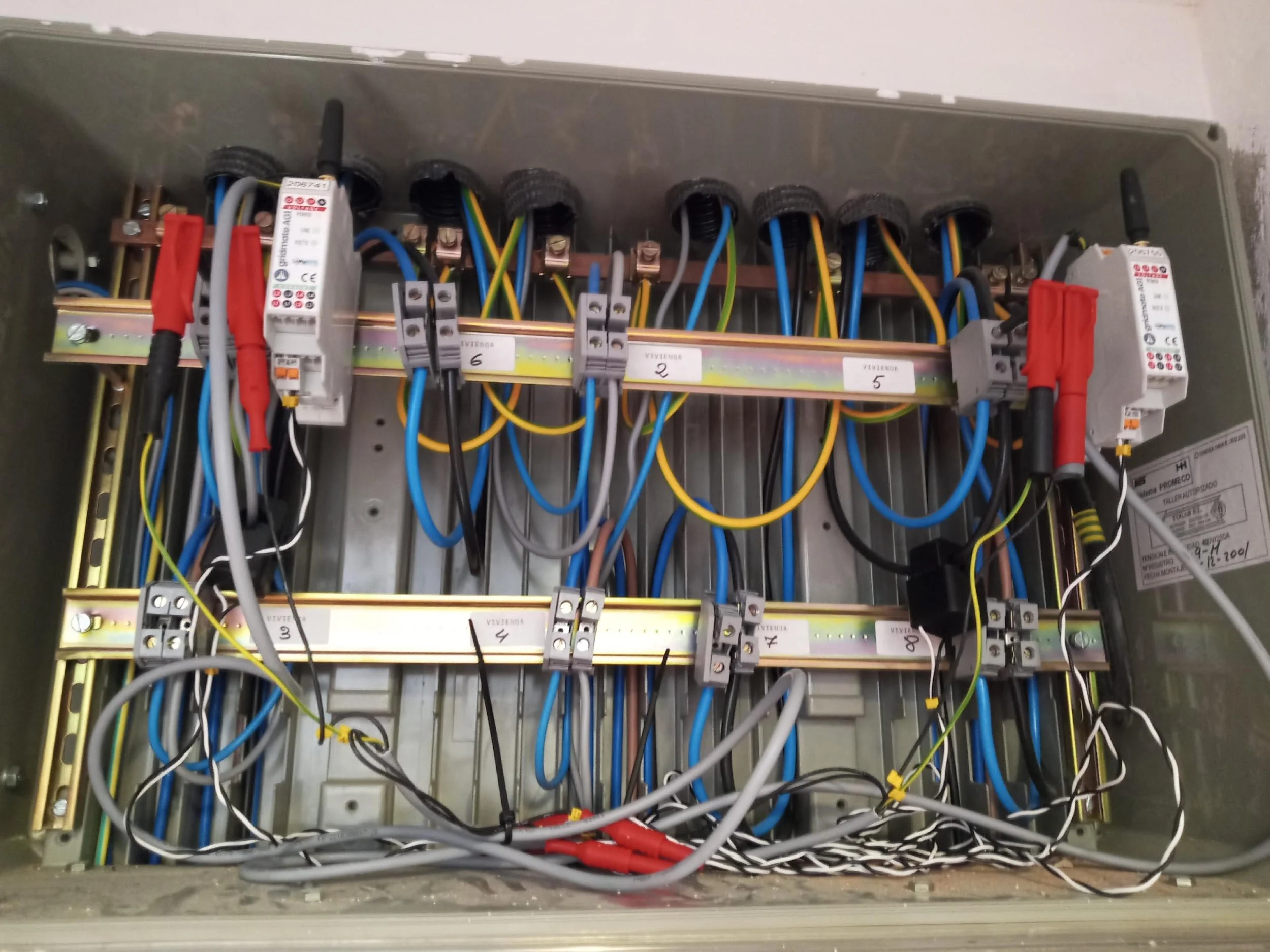
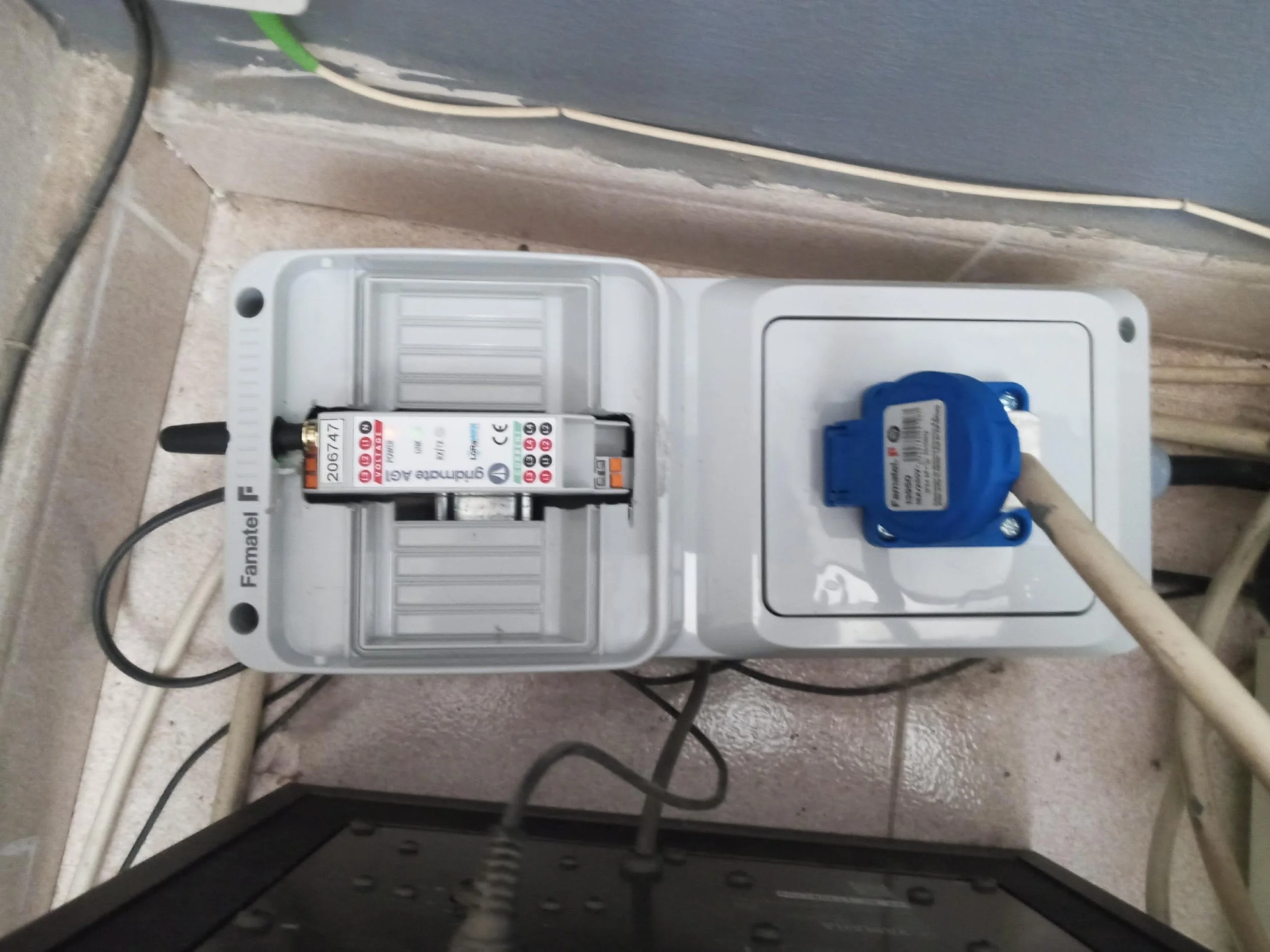
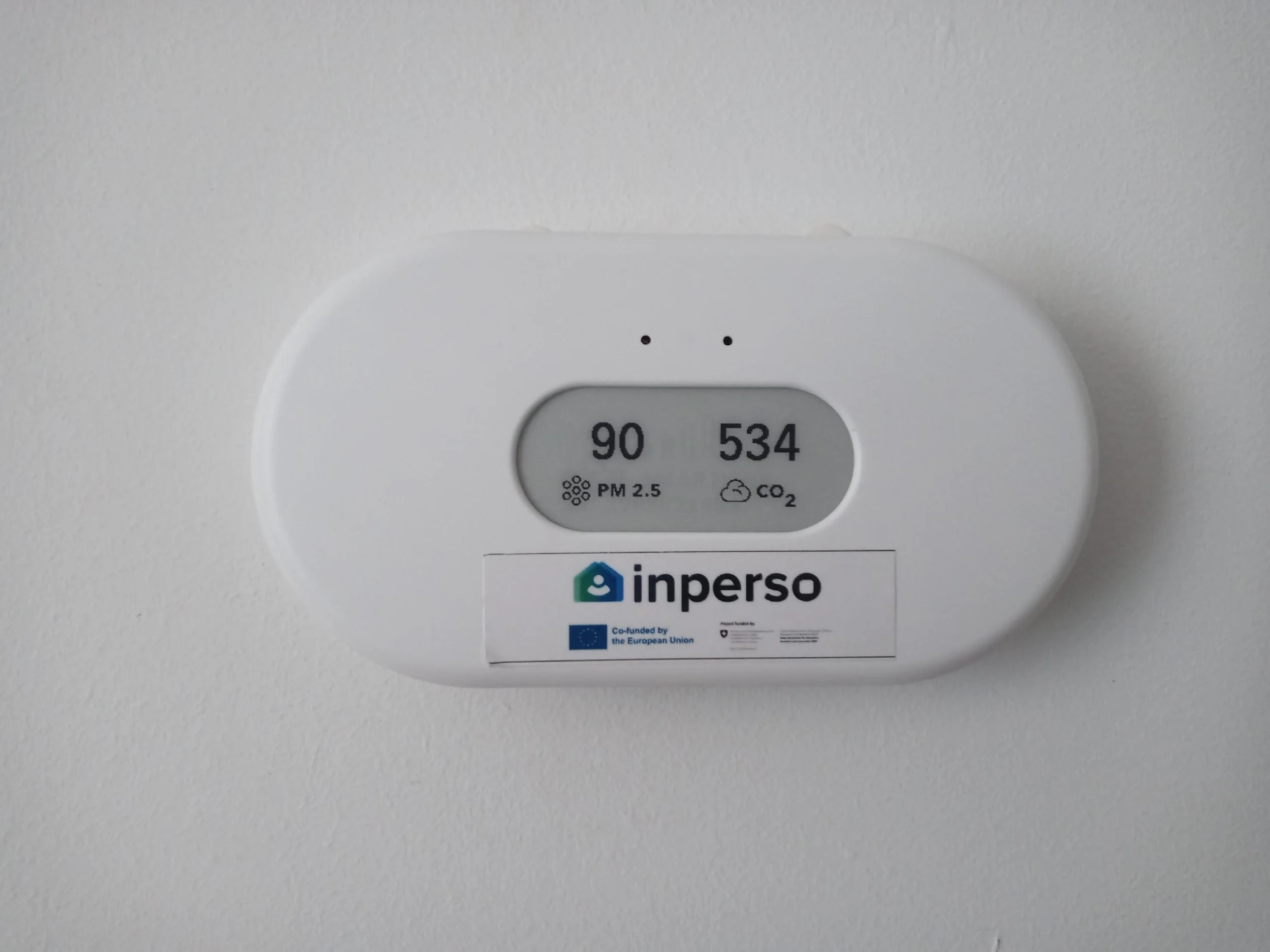
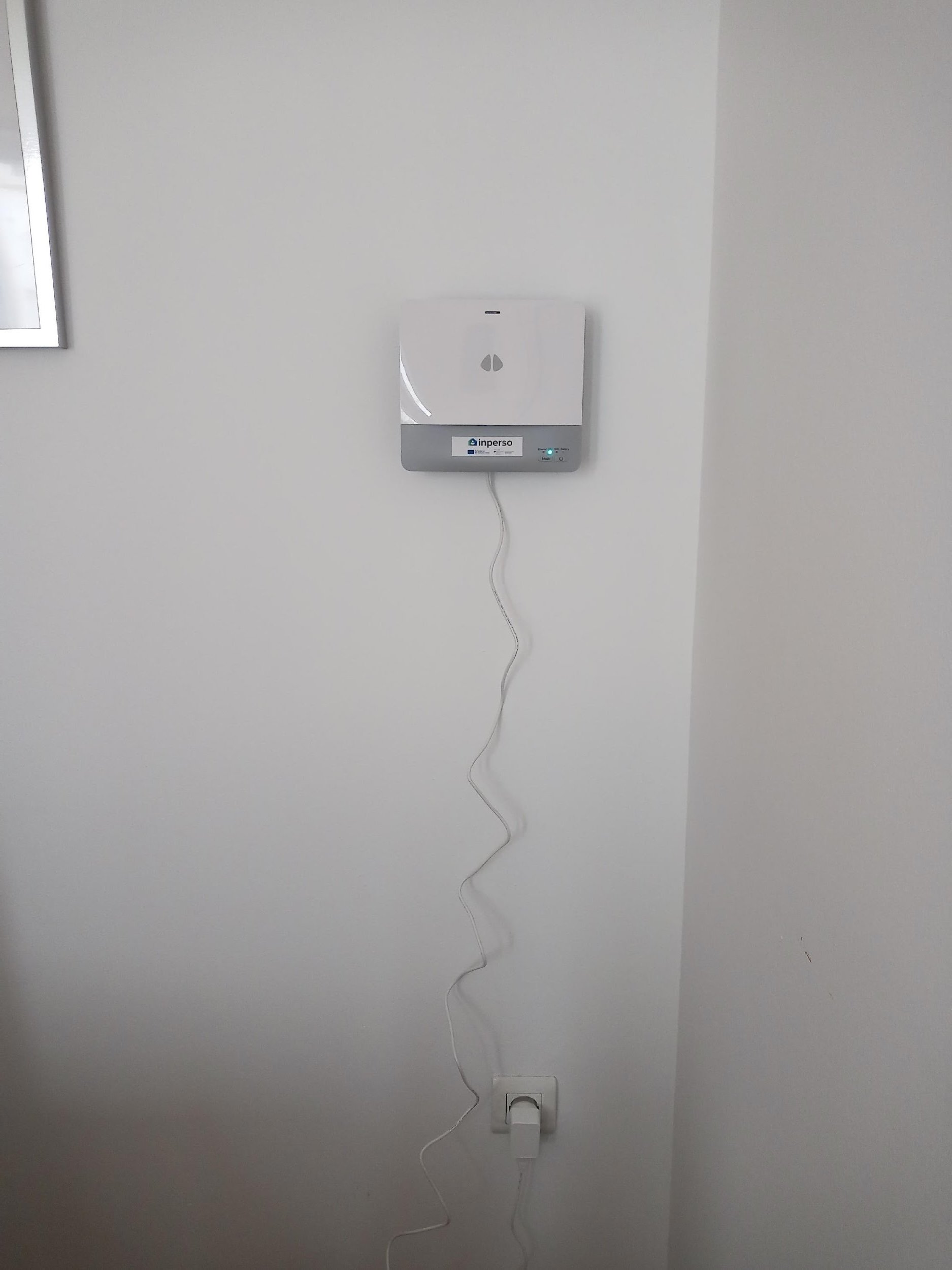
Installation of energy and air quality sensors in 10 apartments, and control of general electricity consumption and 6 apartments, as well as various air conditioning equipment and electric heaters. We currently monitor electricity consumption and environmental quality parameters in real time to establish a solid comparative base.
3D printing pilot
Alternative offer on another building under construction owned by AUMSA for the 3D projection of the thermal insulation, coordinated by the UPV, given the impossible execution on part of the rear façade of the building on which the technologies are going to be installed.
3D point scanning
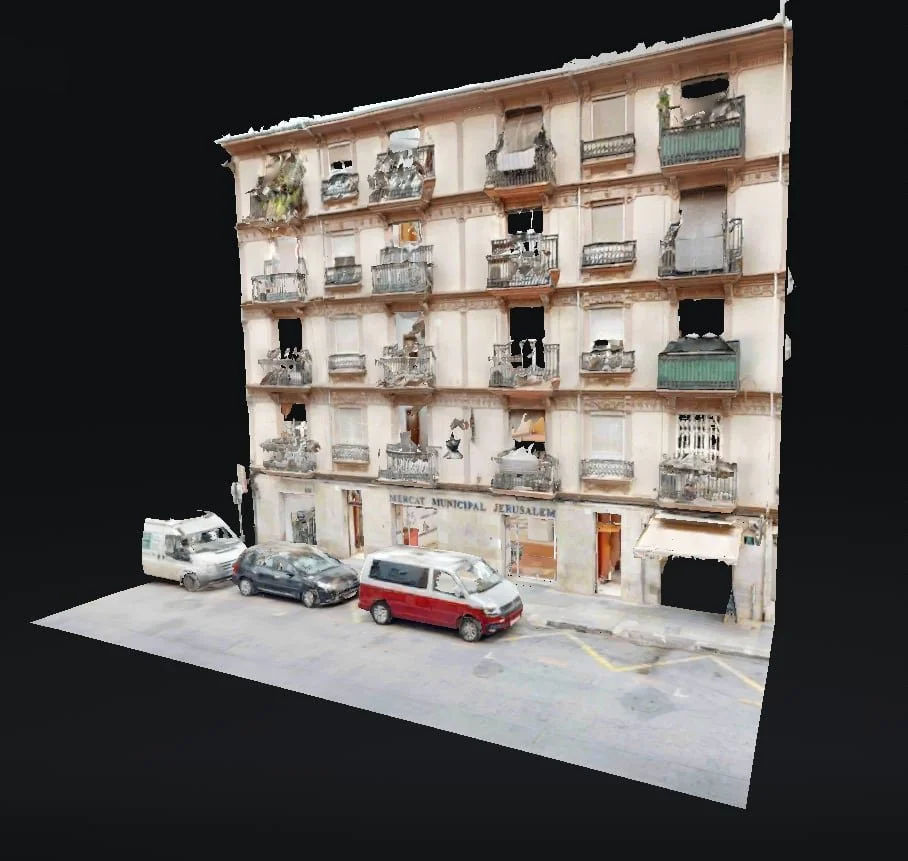
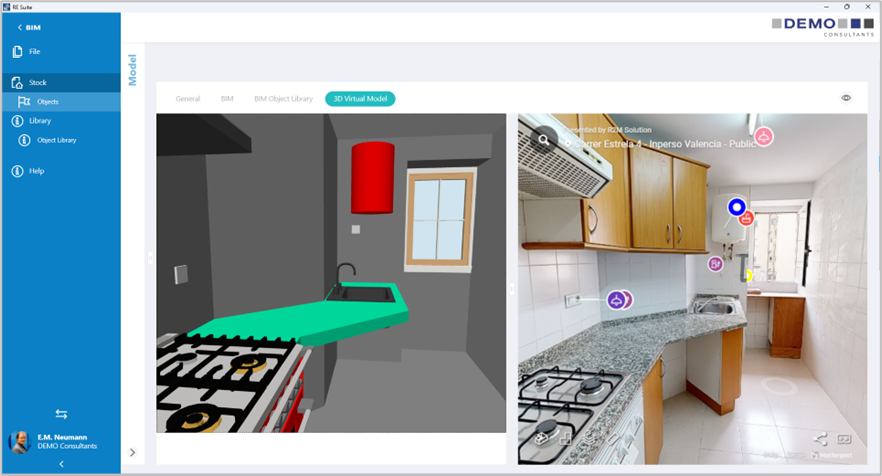
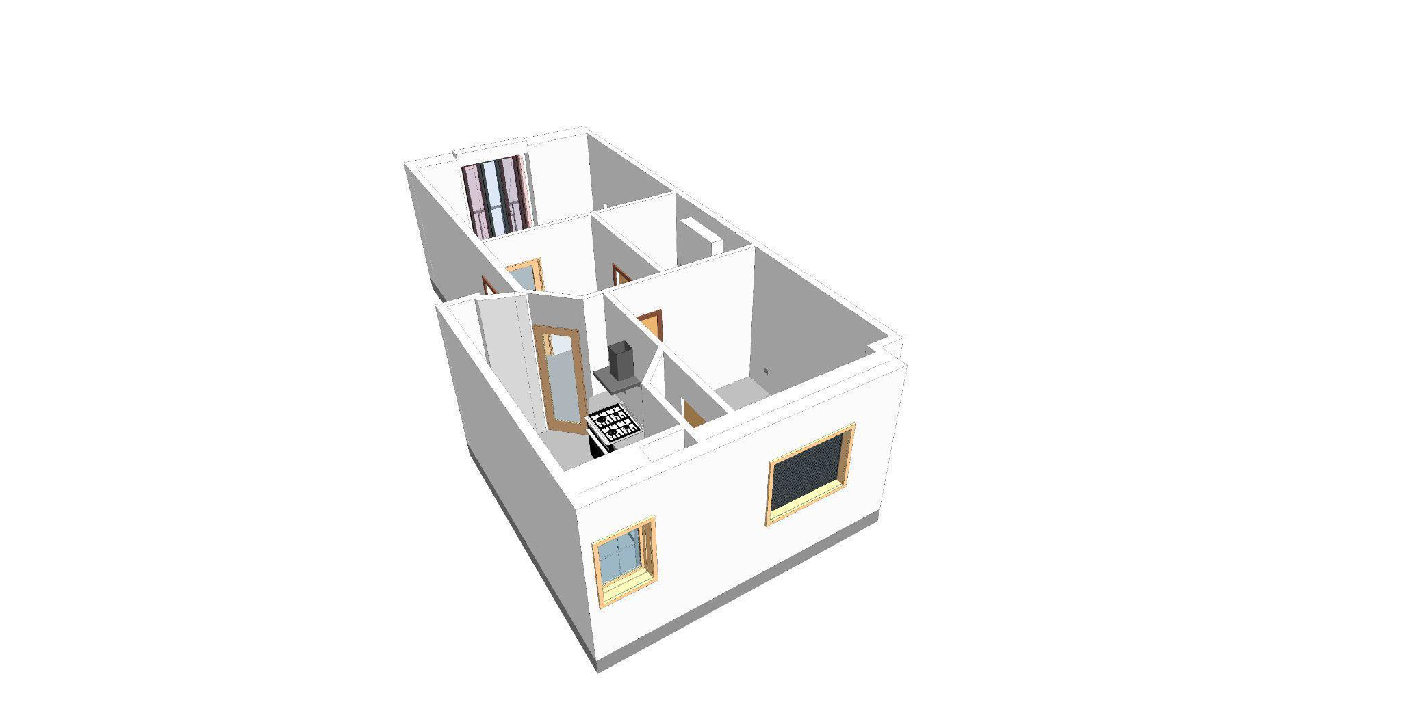
The 3D point scanning has been carried out to then obtain the 3D virtual model of the building, using the systems integrated in the RE-SUITE platform.
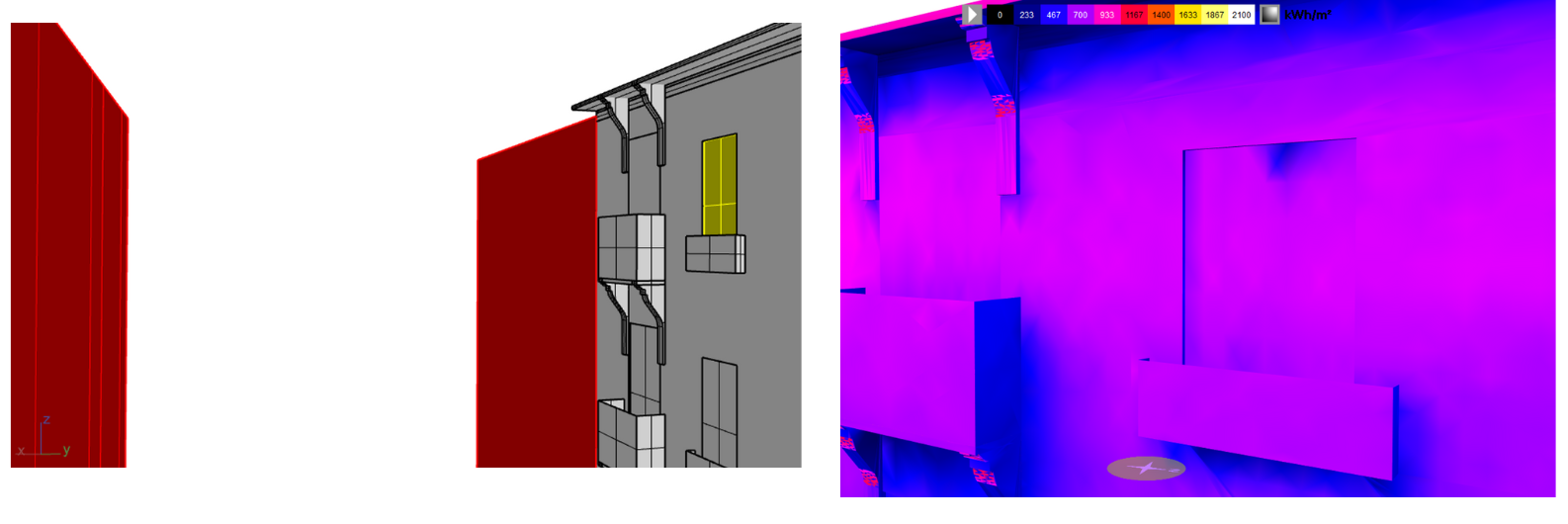
Climate and energy modelling of the building
The digital model of the building has been completed to predict savings and optimise the location of technologies.
Photovoltaic Engineering
Contracting of Engineering for the execution of the photovoltaic project and technical assistance on site.
Approval of Heritage and License
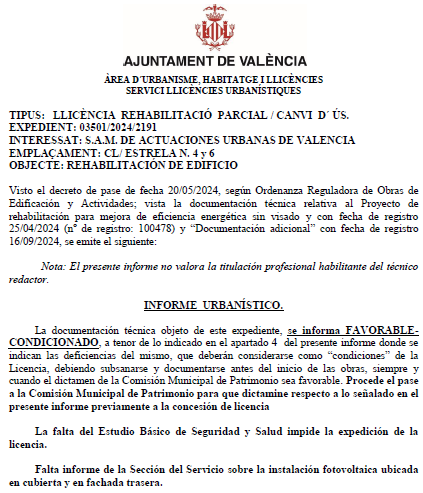
The favorable report of Heritage and favorable license conditional for the execution of the intervention work in the building has been obtained.
REMAINING WORK
EXPECTED IMPACT
-
The expected technical impact is limited to the volume of intervention and the technologies implemented. An improvement in terms of energy efficiency, acoustic insulation and comfort is expected, with a direct impact on the daily well-being of apartments. In addition, the main value of the pilot is to test the interaction with the user by generating practical learnings to optimize its application and future scalability. The installation of photovoltaic panels that respect the existing heritage will bring a reduction in the electricity bill of 10 apartments and common services, contributing to a more efficient use of energy. Finally, the impact of 3D printing will be mainly technological and innovative, as it will allow the prototype to be validated in TRL7, providing experience and results that reinforce knowledge about its feasibility.
-
It will focus on improving the execution process, promoting better usage habits and reducing electricity consumption derived from the integration of various technologies, moving towards a more efficient and sustainable intervention.
-
Although the intervention is limited, a positive effect is expected in terms of improving the comfort, well-being and quality of life of the people living in the intervened apartments. The air conditioning systems will guarantee a constant renewal of the air. This, together with the environmental quality monitoring system, will favour these improvements.
-
This case study constitutes a replicable and scalable reference model for interventions in residential buildings in European urban environments, where a paralysis of renovation is observed associated with heritage constraints, cost increases and high technical-constructive complexity (limitations of system compatibility, regulatory restrictions and execution difficulties).