
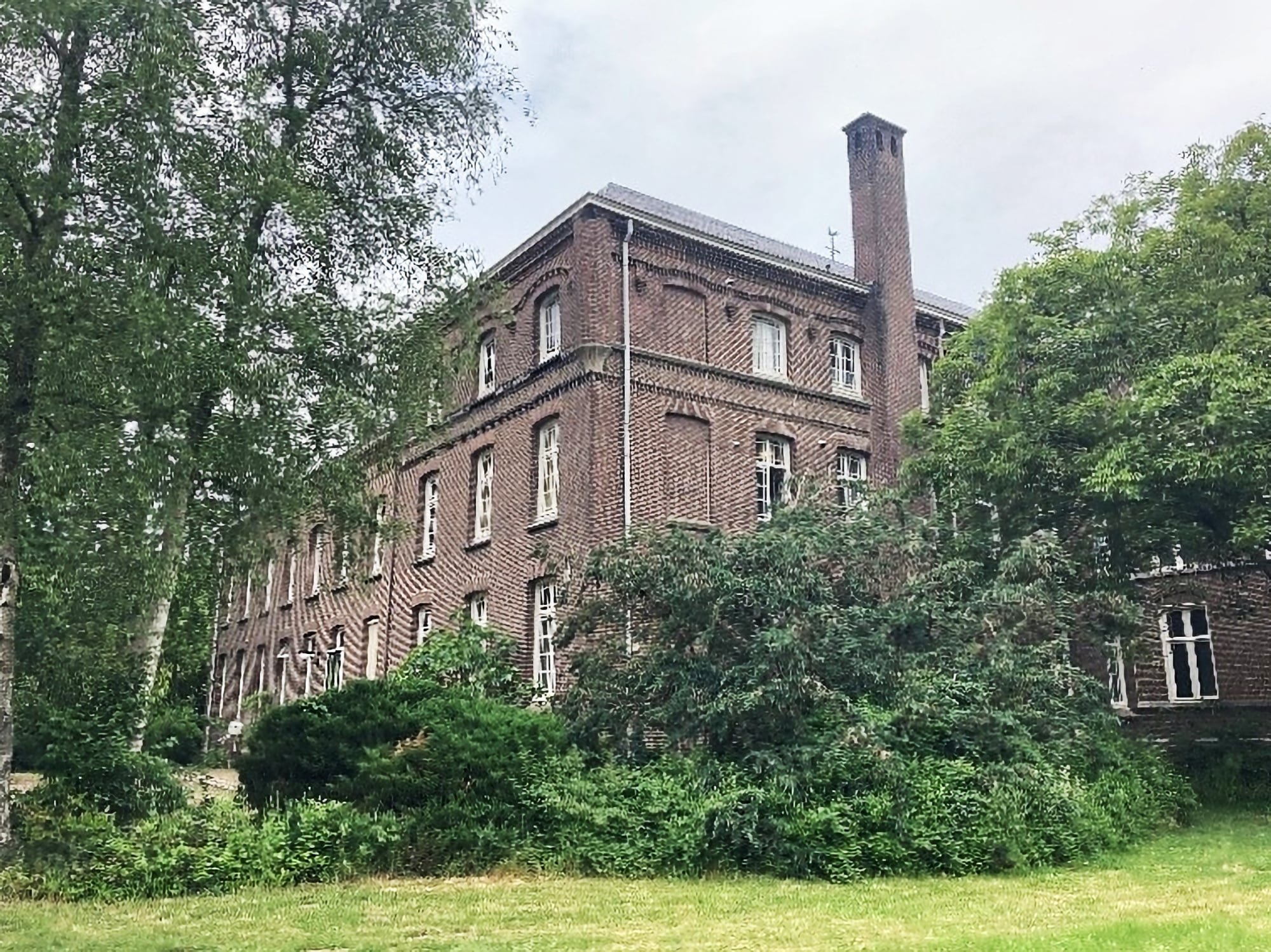
Heritage Conservation Meets Energy Renovation
at the Bronckhorst Monastery, Basilius van Bruggelaan 2 in Velp
Demonstration Case #2 (DC#2) is located at the Bronckhorst Monastery, Basilius van Bruggelaan 2 in Velp, the Netherlands. The building is a protected national monument and forms part of a former monastic complex that is currently used for residential purposes.
The use case demonstrates how innovative retrofit technologies can be integrated into a heritage building while respecting its architectural and historical values. The project focuses on low-disruption renovation strategies that minimise interventions in the historic fabric and ensure that all installations remain reversible.
OBJECTIVES
Demonstrate how advanced retrofit technologies can be integrated into protected heritage buildings.
Test low-disruption renovation approaches in an occupied building.
Improve energy efficiency and reduce CO₂ emissions while maintaining indoor comfort.
Develop reversible installation methods suitable for monuments.
DC#2 is distinctive within the INPERSO project because it demonstrates how innovative retrofit technologies can be integrated into a protected heritage building. The Velp demonstration specifically addresses the challenges of improving energy performance in historic structures, where interventions must remain reversible and minimise impact on original materials and architectural values. Through the involvement of Monumentenwacht Noord-Brabant, the case also draws on practical expertise in heritage conservation and maintenance to ensure that the retrofit strategies remain compatible with long-term preservation of the monument.
Provide knowledge and practical examples for replication across Europe.
Evaluate the compatibility of innovative systems with historic building structures.
The technologies implemented in this demonstration include the SmartWall system, Solar Windows, BIPV roof tiles and the Ventive EnergyPod system. Together these technologies aim to improve energy performance, reduce carbon emissions and enhance indoor environmental quality.
All interventions have been approved under a temporary environmental permit granted by the municipality of Land van Cuijk. The permit allows the installations to remain in place for six years, after which they must be removed and the building restored to its original condition.
USE CASE OVERVIEW
-
Before installation works could begin, a detailed permit process was completed with the municipality and heritage authorities. The Monuments Committee reviewed the proposed interventions and provided guidance on how the installations could be integrated while protecting the historic character of the building.
In parallel, an extensive insurance process was undertaken to ensure that the installation and testing of the technologies within a protected monument complied with insurer requirements and applicable safety regulations. Particular attention was given to fire safety, accessibility and the clear allocation of responsibilities among the parties involved in the installation and operation of the systems during the demonstration phase.
A temporary environmental permit was granted for the installation and testing of energy-saving technologies for a period of six years.
-
One of the attics of the Bronckhorst Monastery has been designated as the central location for the technical installations of the EnergyPod, battery system and electrical infrastructure.
A dedicated installation platform constructed from fire-resistant materials has been built to safely accommodate the technical components. A separate electrical distribution board has also been installed to allow monitoring and protection of the systems while keeping the new installations separated from the building’s existing infrastructure.
-
Preparatory works have been carried out in apartments 1.26 and 1.30 to enable integration of the EnergyPod system.
New ventilation ducts and plumbing infrastructure have been installed to support balanced ventilation, heating and domestic hot water supply. Once operational, the EnergyPod will provide heating, ventilation and hot water to apartment 1.26 and domestic hot water and ventilation to apartment 1.30.
-
The SmartWall system has been installed in Room 1.26. This prefabricated wall element improves the thermal performance of the building while minimising disturbance to the historic structure.
The installation involved preparation of the wall surface, mounting of prefabricated panels and finishing with plaster and special coating.
-
Solar Windows have been installed in Room 1.26. The original window elements were carefully removed and stored in the attic to ensure full reversibility of the intervention.
Because the photovoltaic glazing units are thicker than the original glass, custom wooden battens were fabricated to fit the new windows within the existing frames without modifying the historic structure. Electrical connections were routed discreetly through the ceiling towards the attic installation area.
The Solar Window system has now been electrically connected and commissioned.
-
A section of the chapel roof has been prepared for the installation of building-integrated photovoltaic panels.
Existing slate roofing was carefully dismantled and stored in the attic so that it can be reinstalled after the demonstration period. New battens were installed to support the photovoltaic panels while maintaining alignment with the historic roof structure.
The micro-inverters associated with the BIPV system have been installed on the interior side of the chapel roof, positioned close to the photovoltaic panels in order to minimise cable lengths and reduce electrical losses.
-
The battery storage system has been installed in the attic on the central technical installation platform. This component forms part of the integrated energy system that connects the photovoltaic installations with the building’s electrical infrastructure and enables energy storage and system monitoring.
WORK CARRIED OUT SO FAR & MILESTONES ACHIEVED
REMAINING WORK
EXPECTED IMPACT
-
Demonstration Case #2 provides a practical example of how advanced retrofit technologies can be implemented in a protected heritage building while maintaining architectural integrity. The installation of prefabricated and modular systems such as the SmartWall enables improvements in thermal performance with limited intervention in the historic structure.
The project also demonstrates the benefits of centralising technical systems within the attic space, reducing the need for intrusive installations throughout the building. By combining photovoltaic technologies, integrated ventilation and heating systems, and digital monitoring tools, the demonstration creates a holistic energy system that can be evaluated as an integrated solution rather than as isolated technologies.
The experience gained from the installation process also provides valuable technical insights into the logistical and practical challenges of implementing innovative technologies in historic buildings.
-
The combination of building-integrated photovoltaic generation, improved insulation and efficient heating and ventilation systems is expected to reduce the building’s overall energy consumption and associated carbon emissions.
By generating renewable electricity through the BIPV roof system and Solar Windows, the building will partially cover its own energy demand. The SmartWall system contributes to improved thermal performance, reducing heat losses through the building envelope.
In addition to energy savings, the Ventive EnergyPod system is designed to improve indoor environmental quality through controlled ventilation and efficient heat recovery, contributing to healthier and more comfortable indoor conditions for residents.
-
One of the most significant contributions of DC#2 is the demonstration that energy renovation measures can be implemented in heritage buildings while respecting their architectural and historical values.
All interventions have been designed to remain reversible and to minimise alterations to the original building fabric. Original materials such as windows and roof slates have been carefully removed, preserved and stored to allow future reinstatement if required.
The project therefore provides a practical example of how climate objectives and heritage conservation principles can be balanced in real renovation projects.
-
DC#2 demonstrates that historic buildings can play an active role in the transition towards a more sustainable built environment. By integrating innovative technologies in a protected monument, the project shows that heritage buildings do not have to be excluded from energy transition strategies.
The knowledge gained through this demonstration can support municipalities, heritage authorities and building owners in developing renovation approaches that respect historic buildings while contributing to climate goals.
-
The solutions demonstrated in DC#2 have potential for replication in many historic buildings across Europe. Large parts of the European building stock consist of older buildings with heritage value, where conventional retrofit approaches are often difficult to apply.
By testing reversible installation strategies, prefabricated retrofit elements and integrated energy systems, the Velp demonstration provides valuable knowledge that can support similar projects in other historic buildings and heritage sites.
-
A key objective of the INPERSO approach is to reduce the disruption typically associated with renovation works. Demonstration Case #2 provides an important example of how renovation measures can be implemented in an occupied heritage building while minimising disturbance to residents and the historic structure.
The use of prefabricated systems such as the SmartWall allows a significant part of the installation process to take place off-site, reducing the duration and complexity of on-site construction activities. This approach limits noise, dust and construction waste, which is particularly important in historic buildings where invasive interventions may cause damage to original materials.
In addition, the careful planning of installation routes, the centralisation of technical equipment in the attic space and the reversible integration of technologies such as Solar Windows and BIPV elements demonstrate how retrofit solutions can be implemented with minimal visual and physical impact on the building.
The experience gained in DC#2 therefore contributes valuable knowledge on how low-disruption renovation strategies can be applied in heritage contexts, where maintaining building functionality and protecting historic materials are essential considerations.